
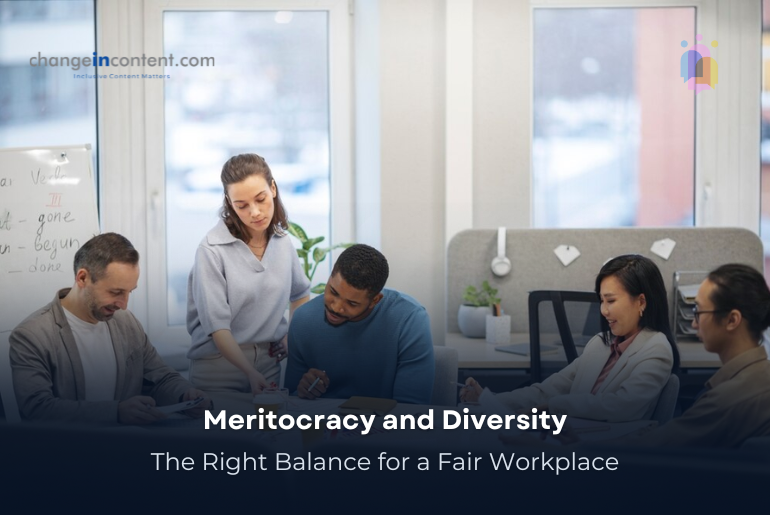
The debate between meritocracy and diversity is ongoing in corporate India. Some argue that hiring and promotions should be based purely on skills and qualifications. At the same time, some believe that we must correct structural biases to create a more inclusive workforce. In India, where gender, caste, class, and socio-economic backgrounds play a significant role in workplace dynamics, achieving a balance between the two is anything but simple.
Corporate India has made significant strides in improving diversity. Regulatory mandates and DEI (Diversity, Equity, and Inclusion) initiatives are pushing for change. However, meritocracy alone cannot exist in a system that has historically favoured certain groups over others. If true merit were the only measure, why are leadership roles still overwhelmingly dominated by men from privileged backgrounds?
Understanding the interplay between meritocracy and diversity is essential for building a fair, inclusive, and high-performing workplace in India. Let’s break it down.
Defining diversity in Indian workplaces
Diversity in the workplace goes beyond gender representation. It encompasses caste, socio-economic background, disabilities, LGBTQIA+ inclusion, and even regional representation.
In India, regulatory frameworks, such as the Companies Act 2013, require certain businesses to have at least one woman director on their board. However, between 2018 and 2023, 507 companies were fined for failing to comply. It reflects the resistance to meaningful change.
Diversity initiatives aim to correct historical inequalities and ensure that organisations reflect a broader range of experiences and perspectives. Research from McKinsey & Company has consistently shown that diverse teams perform better, innovate more effectively, and drive greater financial success.
Yet, many Indian companies treat diversity as a checkbox exercise rather than an organisational strength. That is where meritocracy is often positioned as a counterargument.
Meritocracy: The challenges in a biased system
Meritocracy suggests that individuals should rise through the ranks solely based on talent, hard work, and performance. On paper, this seems fair. However, in a deeply stratified society like India, privilege often shapes merit.
For instance:
- Elite education bias: Many job postings favour candidates from IITs, IIMs, or other top-tier institutions, excluding equally talented individuals from lesser-known colleges.
- Gender barriers: Women face career interruptions due to motherhood, limiting their chances of reaching leadership roles despite having the same qualifications and skills as their male counterparts.
- Caste and social biases: Dalits, Adivasis, and other marginalised communities have historically faced discrimination in hiring and promotions, making it difficult for them to compete on a level playing field.
If meritocracy were genuinely unbiased, why do only 1.6% of MDs and CEOs in Fortune 500 companies in India happen to be women? Why do LGBTQIA+ professionals still face 70% more workplace discrimination in India than the global average?
Clearly, merit does not exist in a vacuum. Systemic biases that favour certain groups over others often influence merit.
Where meritocracy and diversity intersect
Rather than seeing meritocracy and diversity as conflicting ideals, we should view them as complementary forces. A genuinely meritocratic system is only possible when everyone starts on an equal footing, which is why diversity efforts matter.
Here’s how the two can work together:
Equitable opportunities lead to true meritocracy
- Companies must create equal access to education, mentorship, and leadership training, especially for marginalised groups.
- Example: Programs like Tata Steel’s WINGS initiative provide leadership development for women, helping to level the playing field.
Diversity expands the definition of merit
- Traditional definitions of merit focus on pedigree and credentials rather than lived experience and skills.
- Example: Organisations like Infosys and HUL now recruit from tier-2 and tier-3 cities, broadening their talent pool.
Inclusive hiring prevents meritocracy from being a privilege trap
- When companies focus only on “top talent,” they often exclude women, LGBTQIA+ individuals, and candidates from diverse backgrounds.
- Solution: Companies need to move beyond tokenistic hiring and create real career advancement pathways.
The Indian workplace: Breaking the meritocracy myth
Despite India’s rapid economic growth, workplace demographics still do not reflect the diversity of its population. The following data highlights key gaps:
Women’s leadership:
- Only 1.6% of Fortune 500 companies in India have at least three women on their boards.
- Women make up only 20-30% of the workforce, even in new-age companies.
LGBTQIA+ inclusion:
- Over 70% of LGBTQIA+ employees in India report experiencing workplace discrimination.
- Companies like Zomato and Flipkart have introduced gender-neutral policies, but representation remains low.
Caste and socio-economic barriers:
- Dalit, Bahujan, and Adivasi candidates face higher dropout rates in professional environments due to systemic exclusion.
These figures demonstrate that meritocracy is not yet a reality for many underrepresented groups. It also reveals why corporate India must actively support diversity initiatives to make workplaces genuinely meritocratic.
The path forward: Can India achieve both meritocracy and diversity?
The goal is not to prioritise diversity over merit but to recognise that diversity strengthens meritocracy. Here’s what Indian companies can do:
Expand the definition of talent:
- Move beyond elite institutions and prioritise skills-based hiring.
- Example: MNCs like Accenture now recruit from tier-2 and tier-3 colleges.
Mentorship and sponsorship programs:
- Leadership roles should not only go to those with privileged networks.
- Example: BluSmart and RPG Enterprises have mentorship programs specifically for women and LGBTQIA+ employees.
Policy reform and compliance:
- Strict implementation of gender parity laws, POSH reforms, and DEI policies is essential.
Measuring inclusion, not just hiring:
- Companies should track career progression rates for underrepresented groups rather than just focusing on diversity hires.
Final thoughts on meritocracy and diversity
The Indian workplace cannot afford to choose between meritocracy and diversity because one cannot exist without the other. A fair system is one in which talent is nurtured equitably, people from all backgrounds can compete on an equal playing field, and success is indeed based on ability, not privilege.
To move forward, corporate India must redesign its structures, focusing not just on hiring diverse talent but ensuring they thrive, grow, and lead. Only then can we achieve a truly inclusive and meritocratic future.
Disclaimer: The views expressed in this article are based on the writer’s insights, supported by data and resources available both online and offline, as applicable. Changeincontent.com is committed to promoting inclusivity across all forms of content. We broadly define inclusivity as media, policies, law, and history—encompassing all elements that influence the lives of women and gender-queer individuals. Our goal is to promote understanding and advocate for comprehensive inclusivity.
