The Short Read
- The Maharashtra Assembly passed the Maharashtra Women Farmers Empowerment Bill, 2026, on 2 July 2026.
- The Bill seeks to recognise women engaged in agriculture and allied activities as farmers, even when they do not own land.
- Women farmers will be able to receive farmer certificates through the Taluka Agriculture Officer, according to Marathi news reports on the Bill’s provisions.
- The recognition aims to help women access welfare schemes, subsidies, institutional credit, training, and other forms of government support.
Maharashtra Women Farmers Empowerment Bill recognises women without land titles
The Maharashtra Women Farmers Empowerment Bill could change how the state recognises women’s work in agriculture.
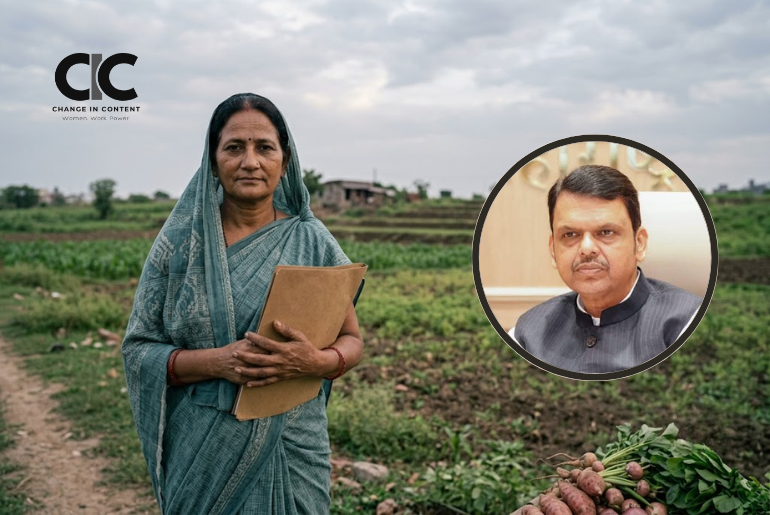
The Maharashtra Assembly has passed the Maharashtra Women Farmers Empowerment Bill, 2026, a law designed to formally recognise women engaged in farming and allied activities as farmers, even when they do not hold land in their own name.
For millions of rural women, that distinction is important. Women often work on family farms, manage livestock, support sowing and harvesting, handle post-harvest work and contribute to agricultural decisions. Yet formal farmer status usually follows land ownership, which remains largely male-held in many households.
The Bill attempts to close that recognition gap.
According to Marathi reports on the Assembly passage, women working in farming without land ownership will be able to receive a farmer certificate. The certificate is expected to be issued through the Taluka Agriculture Officer.
That official recognition can affect access. Without farmer status, women may struggle to claim benefits linked to agricultural schemes, subsidies, training, crop support, institutional credit and welfare programmes. The new framework is expected to make women visible within state agricultural systems, even when land documents do not carry their names.
The development also connects with the larger debate on women’s unpaid and under-recognised labour in agriculture. In a recent Change in Content piece on women in agricultural employment, we looked at how more women are being counted in India’s employment data. At the same time, many still work as unpaid family labour on farms.
The Maharashtra Bill gives policy form to a question that has been sitting inside that data for years: if women are doing farm work, why should land ownership alone decide whether they are seen as farmers?
There are still implementation questions ahead. The state will need clear rules on eligibility, documents, verification, appeals, timelines and the link between certificates and specific schemes. Local officials will also need guidance so that the process does not become another paperwork burden for women.
The Bill’s value will depend on how easily women can apply, how consistently certificates are issued, and whether government departments actually accept the certification while delivering benefits.
For now, the passage of the Bill gives Maharashtra a significant policy marker. It formally acknowledges that women’s agricultural work cannot remain hidden behind male land titles.
The Change in Content View
The Maharashtra Women Farmers Empowerment Bill is a practical recognition measure.
Women have long worked as farmers without always being named as farmers. That gap affects access to credit, schemes, training and decision-making power.
A certificate will not solve every problem faced by women in agriculture. It can, however, create an official entry point into systems that have often overlooked them. The next test is simple: the recognition must reach women on the ground without delay, confusion or exclusion.
Editorial Note and Sources
This Policy Pulse article by Change in Content is based on publicly available news reports on the Maharashtra Assembly’s passage of the Maharashtra Women Farmers Empowerment Bill, 2026. At the time of writing, we could not locate the full official Bill text on any Maharashtra government or legislative portal via a public search. The article, therefore, avoids legal interpretation and focuses on reported provisions: recognition of women farmers beyond land ownership, farmer certification, and access to government support. Readers should refer to the notified Act, rules, and government circulars, once published, for formal eligibility and procedure.
Source used: The Times of India reports that the Maharashtra Assembly has passed the Bill.