
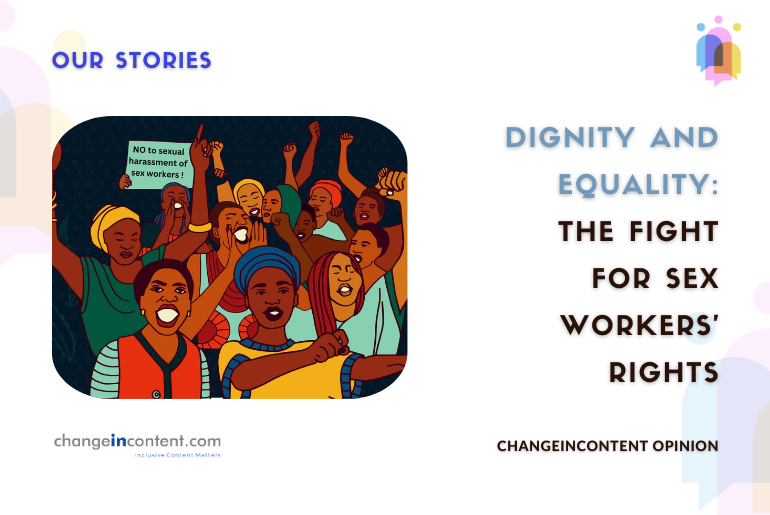
Sex workers are one of the most marginalised groups in the world. More often than not, they have limited or no access to health and social services. Addressing these inequalities, Pathkind Labs released an emotional advertisement as part of their campaign, “Hum Fark Nahi Karte.” This digital film goes beyond mere branding. It highlights the critical healthcare disparities faced by sex workers.
[penci_video url=”https://www.youtube.com/watch?v=_qW8_PasG-s” align=”left” width=”” /]
The ad film begins with a phlebotomist arriving at his designated location. However, upon arrival, he encounters a young girl who guides him further from the originally provided address. Perplexed, the phlebotomist questioned why she didn’t provide the correct address while booking an appointment.
As they approach the house, the phlebotomist realises they are in a red-light area. The patient turns out to be the girl’s mother. She warmly thanks him for not discriminating against her because of her work. She expresses gratitude for the respect shown towards her, regardless of her line of work. The ad highlights the importance of impartiality in healthcare. It ensures that every individual, irrespective of their circumstances, must receive fair and equal treatment.
Social isolation of sex workers
In a sentimental moment of the ad film, the phlebotomist questions the young girl about why she didn’t provide the correct address. Innocently, she explains that her neighbourhood is often hidden in darkness. Hence, her mother told her not to reveal where they lived because people might avoid them. But she’s confused because she sees men visiting their area at night anyway.
This naive thought of the child shows the harsh reality of isolation and stigma that sex workers face. It exposes the societal hypocrisy where these individuals face social marginalisation. They often go through a lot of disrespect yet are sought after only when their services are needed. After fulfilling their needs, people often disregard the well-being of sex workers. Moreover, in most countries, governments fail to recognise their existence, their work, and their lack of access to resources, making their situation even more difficult.
Sex workers can be men, women, and transgender people. Sadly, society still holds onto discrimination and inequality towards female sex workers. ‘Whore stigma’ is used to shame sex workers, especially women, leading to widespread disrespect, prejudice, public shame, community rejection, and abuse. What’s often overlooked is that many of these women may have experienced abuse as children and have been trafficked or coerced into prostitution.
Sex workers face high barriers to healthcare
Across the globe, the median HIV prevalence among adults aged 15-49 was 0.7%. However, among sex workers, the median prevalence stood at 2.5%, indicating they are 30 times more likely to contract HIV compared to the general population. Despite these alarming statistics, the never-ending stigma, discrimination, and fear often limit their access to essential health services.
In 2019, UNFPA, UNAIDS, and UNDP addressed a memo to the Convention on the Elimination of all Forms of Discrimination Against Women (CEDAW) concerning the trafficking of women and girls. The memo asserted that decriminalising sex work and engaging with sex worker organisations could potentially decrease new HIV infections by 33-46% over the next decade.
In a 2017 survey conducted by STAR-STAR, a UNFPA partner, nearly a quarter of young sex workers reported being denied health services due to their occupation. More than 63% expressed needing someone to accompany them when seeking healthcare due to fear and distrust. Over 90% rely on civil society organisations for HIV, STI, and sexual and reproductive health services, appreciating their discretion and nonjudgmental approach.
Unintended pregnancies: A silent crisis among sex workers
Female sex workers face significant challenges in accessing reproductive healthcare services. They lack essential information, education, and support for issues like infections, STDs, abortion, family planning, prenatal care, safe childbirth, and postnatal care.
Proper antenatal and postpartum healthcare is crucial for both mothers and babies. For sex workers who also deal with substance abuse, HIV, and harsh working conditions, the absence of these services leads to devastating outcomes like stillbirths, high infant mortality, low birth weight, premature births, neonatal withdrawal, and developmental issues.
Female sex workers face another serious challenge: unintended pregnancy due to inconsistent condom use. Many of these women are mothers who become pregnant while continuing to work in the sex industry. Sadly, these pregnancies are often discovered late, leaving them without vital prenatal care for crucial months.
To make matters worse, healthcare providers often lack understanding of sex workers’ unique needs. They may avoid discussing these sensitive topics or fail to provide appropriate care, further isolating these women in their time of need.
The closing thoughts
Sex workers, regardless of who they are or what they do, deserve safe and equal access to healthcare. The deep-rooted societal judgement leads to widespread disrespect, prejudice, shame, rejection, and abuse, often overlooking their histories of abuse and exploitation. Addressing the deep-rooted issues of stigma, discrimination, and inadequate healthcare access is necessary to improve the lives and well-being of sex workers globally.
Recognising sex workers’ rights and existence can improve access to necessities like food, shelter, healthcare, and safety. Moreover, it paves the way for the decriminalisation of sex work, promoting dignity and equality for all individuals involved.
Disclaimer: The views expressed in this article are based on the writer’s insights, supported by data and resources available both online and offline, as applicable. Changeincontent.com is committed to promoting inclusivity across all forms of content, which we define broadly to include media, policies, law, and history—encompassing all elements that influence the lives of women and gender-queer individuals. Our goal is to promote understanding and advocate for comprehensive inclusivity.
