The Short Read
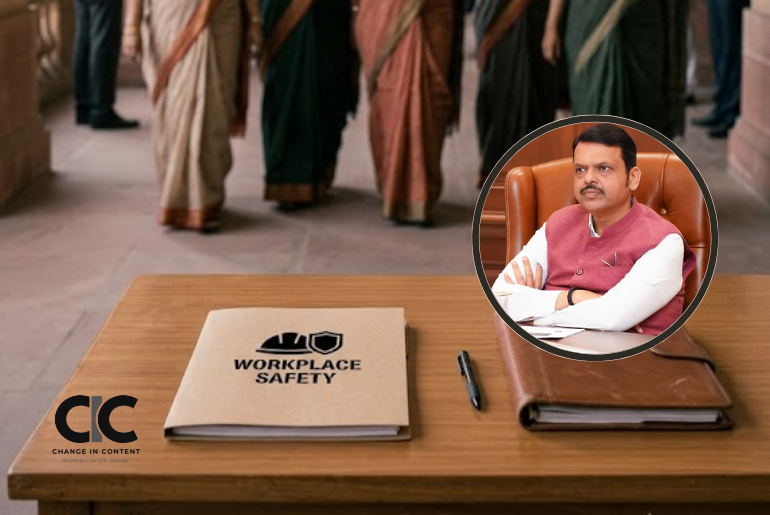
- Maharashtra Chief Minister Devendra Fadnavis has said a committee of women legislators will be formed to examine workplace harassment and related safety concerns.
- The announcement followed a Legislative Council discussion around allegations of harassment involving a woman employee in Nashik.
- The proposed panel is expected to review existing legal provisions and recommend changes for stronger implementation.
- For companies, the development contributes to a broader compliance landscape around PoSH, Internal Committees, and workplace safety audits.
- The larger signal is clear: workplace harassment is moving from HR paperwork to legislative and governance scrutiny.
The Maharashtra women lawmakers committee could sharpen the workplace safety debate
The Maharashtra women lawmakers committee proposed by Chief Minister Devendra Fadnavis could bring fresh legislative attention to workplace harassment, especially in the corporate sector.
According to reports, Fadnavis announced that a committee comprising women legislators would be formed to examine concerns linked to harassment, crimes against women and alleged forced religious conversion. The panel is expected to study existing laws, review recent cases and recommend measures to strengthen women’s safety and workplace protection.
This announcement came during Question Hour in the Legislative Council, after MLC Chitra Wagh raised an alleged case involving a woman employee at a TCS office in Nashik. The discussion included claims of sexual harassment and attempted religious conversion.
Fadnavis reportedly said the proposed committee would include women legislators from both Houses. Its recommendations could shape how the state approaches workplace harassment complaints that move beyond internal company processes and enter the public, legal, and political domains.
The move arrives at a time when workplace safety compliance is already under closer watch across India. The Union Government has reiterated that the Sexual Harassment of Women at Workplace Act, 2013, was enacted to protect women from sexual harassment at work and provide mechanisms for prevention and redressal.
Employers should read Maharashtra’s proposed panel alongside the growing pressure around PoSH implementation. Policies, posters and annual declarations will not carry much weight if employees do not trust the process inside the workplace.
The next layer of scrutiny is likely to fall on how companies respond after receiving a complaint. Internal Committees, documentation, timelines, confidentiality, protection against retaliation, and manager conduct all contribute to the employer’s credibility.
That is also where many organisations struggle. They may have an Internal Committee on paper, but complainants often worry about career damage, social pressure, or team hostility. Complainants also show concerns that the organisation will informally mark them as difficult. In sensitive cases, the gap between policy and lived experience can decide whether women report harassment at all.
The recent recommendations by the NCW on Mandatory PoSH Audits push for annual compliance reviews and explain why companies may need to treat PoSH as an active governance issue rather than a yearly HR checklist.
The proposed Joint Legislative Committee of women lawmakers in Maharashtra could push that conversation further. If it produces specific recommendations, companies operating in the state may have to revisit how they train managers, constitute committees, handle complaints and communicate safety protocols to employees.
For women employees, the real test will be practical. Faster escalation. Safer reporting. Less retaliation. Better follow-through. Clearer accountability when companies fail to act.
For businesses, the warning is equally practical. A weak response to harassment can now travel far beyond the HR department. It can reach regulators, lawmakers, media and public scrutiny. Employers that still treat workplace harassment as a reputational inconvenience are likely to find themselves unprepared.
The Change in Content view
Maharashtra’s proposed committee deserves attention because it ensures that workplace harassment is part of a broader governance conversation.
Women’s safety at work cannot depend only on whether an individual company takes a complaint seriously. Employees need internal systems that work, but they also need public institutions willing to examine patterns, close legal gaps and push implementation.
The strongest outcome would be a committee that listens to employees, legal experts, women’s rights groups, HR leaders and companies before making recommendations. Workplace harassment cases are complex. The response has to protect complainants, follow due process and give employers clear standards to act on.
If Maharashtra can turn this announcement into a serious review of workplace safety systems, it could send a useful policy signal to other states, too.
Editorial Note and Sources
This Policy Pulse article by Change in Content is based on publicly available news reports and official information on India’s workplace sexual harassment law. Change in Content has not independently verified the allegations raised in the Maharashtra Legislative Council. We do not make any findings on the individuals or organisations named in those reports. The article focuses on the policy and workplace governance implications of the proposed committee.
Sources used: Rediff report on Maharashtra CM Devendra Fadnavis’ announcement. Mid-Day report on the proposed women legislators’ panel. Press Information Bureau note on the Sexual Harassment of Women at Workplace Act, 2013.