The Brief
- More than 20 women are training for lifeguard duties, according to OTV’s 13 September report.
- The planned deployment at Puri beach will support women visitors during sea bathing and emergencies.
- Earlier reporting identified 25 candidates selected for specialised training.
- Training includes water rescue, first aid and emergency response.
- Visitors and administrators have a role in supporting the women’s professional authority.
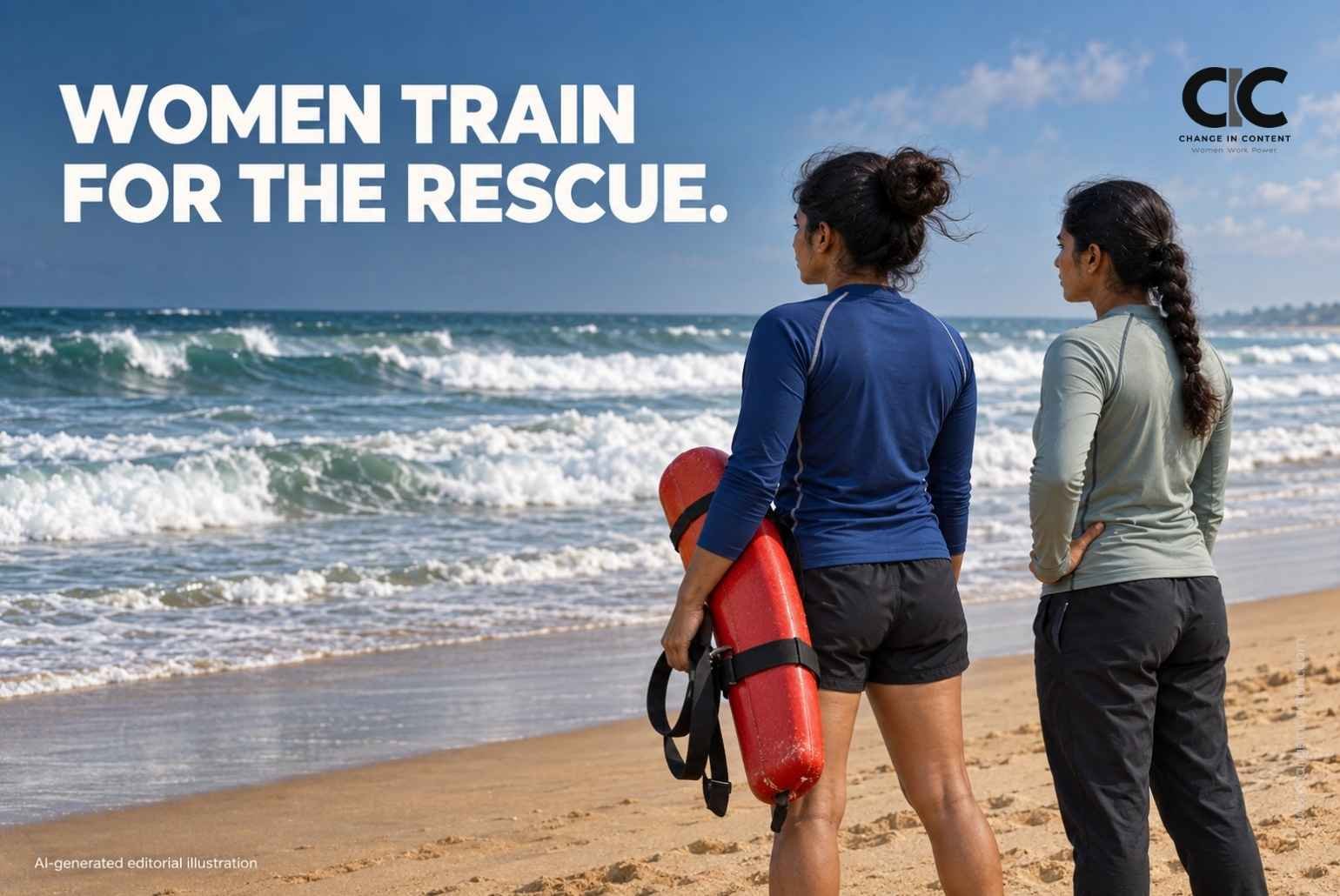
Puri: More than 20 women are undergoing training for rescue duties on Odisha’s coast, in an initiative intended to strengthen assistance for women tourists. The planned deployment of women lifeguards at Puri beach also opens a visible route into frontline safety work, where competence must carry authority regardless of who wears the uniform.
In its 13 September report, OTV cited the Private Lifeguards’ Federation as saying that the women were preparing for lifeguard duties. Puri fire officer Pravat Kumar Rout told the broadcaster that further training would prepare them for deployment, emphasising the importance of proficiency in sea swimming.
The initiative is intended to help women visitors feel more comfortable seeking assistance during sea bathing and emergencies. OTV reported a positive response from women tourists. That anticipated benefit accompanies another: women being trained and recognised for work that involves responsibility for other people’s safety.
Women lifeguards at Puri beach: Training for the responsibility
An earlier Times of India report, published on 9 September, said 25 women had been selected for specialised training at the Odisha State Watermanship and Lifeguard Institute at Chandrabhaga, near Puri.
The reported curriculum covers surf and other water-rescue techniques, cardiopulmonary resuscitation, first aid and emergency response. TOI also reported that successful candidates would receive licences from the National Institute of Watersports. The reports describe preparation for deployment; a confirmed date for the women to begin beach duties shall be announced soon.
These details give the story its substance. Training, assessment and operational readiness are what should establish a recruit’s place in a rescue team. The same principle applies to the wider discussion about women entering fire and rescue services: access to the profession should be followed by a fair opportunity to practise it.
Respect has to reach the working day
For the administration, the next step should include clear duties, suitable rescue equipment, access to toilets and changing facilities, and dependable support from supervisors and colleagues. There should also be a clear way to report harassment or interference, with concerns acted on promptly. These are practical priorities for the deployment, rather than reported findings of shortcomings in the programme.
Visitors have responsibilities too. When a woman lifeguard gives a safety instruction, it should receive the same attention as an instruction from a male colleague. Arguing with her, making personal remarks or interrupting her work for photographs would undermine the very service that visitors are to receive. Appreciation is most useful when it includes cooperation.
The emphasis on women tourists’ comfort should also leave room for recognition of the recruits’ full professional skills. Their contribution belongs in the language of training, judgement and public safety. Describing them only as reassuring faces would overlook the work they are preparing to do.
There is no suggestion in the reviewed reports that the trainees have experienced such mistreatment. Addressing these expectations early is a way to give a promising initiative the conditions it deserves. The broader challenge of helping women stay in work begins with how an opportunity functions after the announcement.
The Change Ahead
Puri’s planned deployment deserves a welcome. It expands who can be seen doing skilled rescue work and offers women visitors another source of assistance. The administration can build on that start by backing the recruits in their daily duties. At the same time, visitors can show respect through their behaviour. A woman joining a lifeguard team should be able to concentrate on the sea, with confidence in the support behind her.
Editorial note
This news report draws on OTV’s 13 September 2026 coverage and TOI’s 9 September report, both of which attribute information to officials or lifeguard representatives. Change in Content has not independently verified deployment, interviewed the trainees or reviewed their employment terms. Recommendations on workplace support and visitor conduct are editorial observations, not allegations of misconduct. We have distinguished the training and selection figures from confirmed deployment.
Sources
- OTV, Suranjan Mishra: Over 20 women lifeguards to be deployed at Odisha’s Puri beach for female tourists, 13 September 2026.
- The Times of India, Debabrata Mohapatra: Women lifeguards to be deployed for the first time at Puri beach, 9 September 2026.