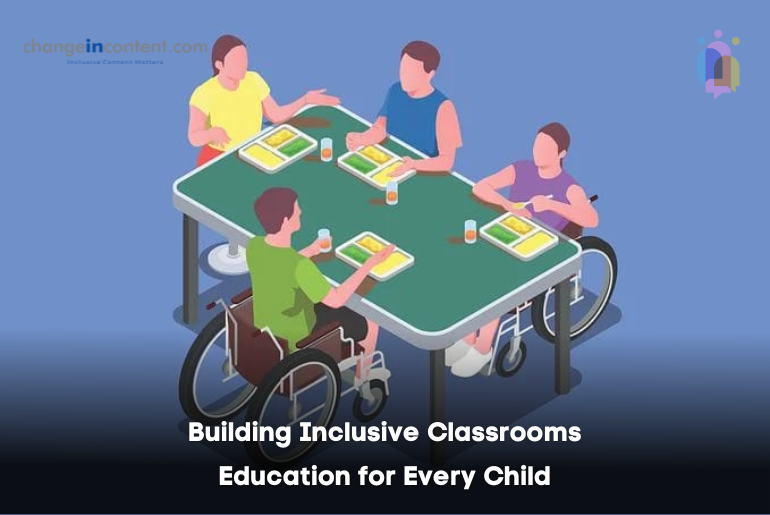
Education is often hailed as the cornerstone of an equitable society, yet achieving universal access to quality education remains a challenge in India. With over 22.66 lakh children with special needs (CwSN) enrolled in schools, the need for an Inclusive Education Policy that bridges gaps and eliminates barriers is more critical than ever. The National Education Policy (NEP) 2020 emphasises that “education is the single greatest tool for achieving social justice and equality.” This principle is reflected in various government initiatives designed to foster diversity, equity, and inclusion in school education.
The core of India’s Inclusive Education Policy
1. Socio-Economically Disadvantaged Groups (SEDGs): A holistic approach
India’s inclusive education policy views diversity through the lens of SEDGs—a category that includes gender, socio-cultural, geographical, and economic identities, as well as disabilities. By subsuming CwSN within this framework, the NEP ensures that inclusive education is not treated as a standalone effort but integrated into broader equity measures.
Key initiatives include:
- Block-Level Disability Assessments: These camps identify children with disabilities to ensure appropriate interventions.
- Customised Support for CwSN: Provisions for scribes, transportation, therapeutic services, and stipends for girls with special needs.
Source: Rights of Persons with Disabilities (RPwD) Act, 2016
2. Infrastructure for inclusion: A step towards accessibility
The Samagra Shiksha Scheme aims to provide accessible infrastructure in schools, including:
- Ramps with Handrails: Ensuring mobility for differently-abled children.
- CWSN Toilets: Dedicated facilities tailored to individual needs.
- Block Resource Centres: Equipped with teaching-learning materials (TLMs) for personalised learning.
While physical infrastructure is a visible sign of progress, it is imperative to extend the conversation beyond mere accessibility. Inclusive spaces must also foster psychological safety and a sense of belonging for all learners.
3. Digital initiatives: ePathshala and beyond
In an increasingly digital world, India’s efforts to make e-learning inclusive are noteworthy:
- ePathshala Portal and Mobile App: Free access to NCERT books and e-content for students, teachers, and parents.
- Audio Textbooks: Ensuring accessibility for visually impaired learners.
- Interactive ISL Resources: A dictionary with 10,500 words in Indian Sign Language.
Such initiatives are paving the way for a digitally inclusive education ecosystem, which is crucial for ensuring equitable opportunities in a technology-driven future.
Explore NCERT’s Barkhaa Series
Educational materials and moral values
While textbooks provide academic knowledge, fostering moral values is vital for shaping an inclusive mindset. Schools can integrate activities and discussions that teach empathy, cooperation, and respect for diversity, ensuring students grow into socially responsible individuals.
Stories of accessibility
NCERT’s comic book, ‘Priya—The Accessibility Warrior,’ introduces students to the concept of accessibility in an engaging way. Such resources not only educate but also encourage children to advocate for inclusivity in their communities.
Teacher training: The bedrock of inclusive classrooms
Inclusive education thrives on the preparedness of educators. The government has invested in:
- Capacity-Building Programs for Teachers: Focused on creating inclusive classrooms.
- Guidelines for e-Content Development: Ensuring teaching materials cater to diverse learning needs.
- PRASHAST App: A tool for early screening of disabilities, enabling teachers to provide timely interventions.
Exam reforms for equitable assessment
The Central Board of Secondary Education (CBSE) has introduced exam concessions for CwSN, including:
- Extra time and scribe facilities.
- Flexible subject choices to cater to diverse interests.
- Alternate question formats that respect varying abilities.
These reforms are a step towards ensuring that education systems measure potential rather than conformity.
Moving towards a genuinely inclusive society
The current efforts highlight India’s commitment to achieving inclusive education, yet gaps remain. Bridging these gaps requires:
- Enhanced funding for infrastructure and training.
- Greater representation of differently-abled individuals in policymaking.
- Community-driven initiatives to foster acceptance and empathy.
At Changeincontent, we firmly believe that education can transform lives. Through our stories, we strive to amplify initiatives like these while also questioning systemic barriers.
For a deeper understanding of challenges in gender and educational equity, read our related article on the Beti Bachao Beti Padhao campaign here.
Disclaimer: The views expressed in this article are based on the writer’s insights, supported by data and resources available both online and offline, as applicable. Changeincontent.com is committed to promoting inclusivity across all forms of content. We broadly define inclusivity as media, policies, law, and history—encompassing all elements that influence the lives of women and gender-queer individuals. Our goal is to promote understanding and advocate for comprehensive inclusivity.