
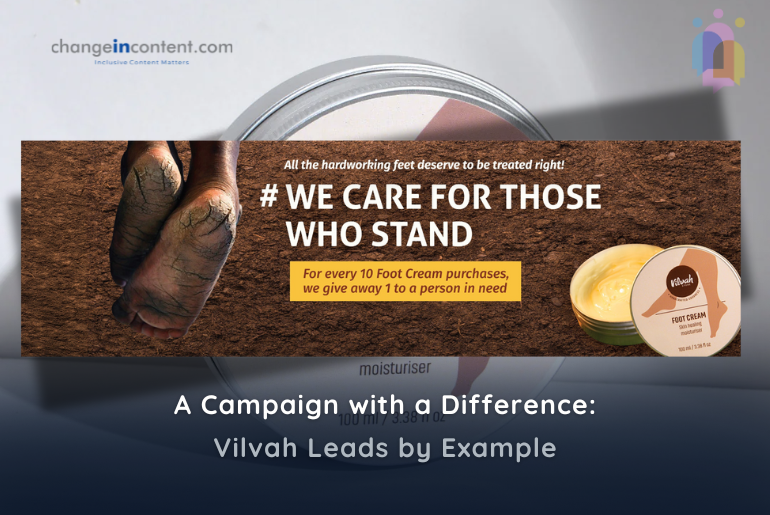
Influencer marketing has become a dominant trend, but its credibility often comes under scrutiny. Vilvah’s ‘We Care for Those Who Stand’ campaign is a refreshing initiative that challenges the norms of influencer-driven promotions. By focusing on genuine connections and real impact, Vilvah is setting an example of how inclusive marketing can resonate deeply with consumers.
In recent years, especially after the COVID-19 pandemic, influencer marketing has become a key part of every company’s marketing strategy. Platforms like Instagram, TikTok, Snapchat, and YouTube are filled with influencer content, such as product unboxings, live demonstrations, reviews, endorsements, and so on. Brands rely on influencers to connect with their audience in a relatable way, hoping to boost sales and build trust. These promotions often position influencers as authentic and relatable voices, bridging the gap between consumers and companies. However, not everyone buys into this authenticity.
Is influencer marketing losing credibility?
A growing segment of consumers has started questioning whether influencer marketing is genuine or simply driven by monetary incentives. It’s hard to take an endorsement seriously when an influencer raves about a body lotion in one ad, only to promote a different brand’s lotion the very next day. This inconsistency casts doubt on whether these endorsements come from genuine personal preference.
Take the recent controversy with Indian skincare brand Mamaearth. Many consumers voiced frustration over feeling misled by the brand’s influencer-driven campaigns, claiming they fell for the allure of its massive marketing budget. That said, this doesn’t mean Mamaearth’s products are ineffective or subpar. The brand proudly positions itself as Asia’s 1st brand with Made Safe Certified Products.
Where does the problem lie?
The problem lies in how influencer marketing impacts consumer trust. Even a hint of dishonesty from influencers can shatter credibility, making it difficult for brands to form meaningful connections with their audience.
For marketing to truly resonate, brands must focus on building authentic connections with their audience. Today’s consumers demand transparency from brands and influencers alike. Vilvah, a skincare and haircare brand, recently demonstrated this through its inclusive marketing campaign. The campaign took an innovative and compassionate approach, a refreshing shift from traditional influencer marketing.
No filters, just real experiences: Vilvah’s ‘We care for those who stand’ campaign truly connects
“We Care for Those Who Stand“ is a heartwarming campaign by Vilvah. The Coimbatore campaign supports workers who spend long hours on their feet. For every 10-foot cream purchased, Vilvah donates one foot cream to someone in need. The campaign targets people who spend long hours standing, such as night watchmen, construction workers, and roadside vendors, as well as those who stand barefoot all day.
The Vilvah team directly reaches out to these people, distributing food and under-eye creams. They explain how these creams can help with cracked feet and tired eyes and give instructions on how to use them for the best results. This hands-on approach ensures that people know precisely how to apply the products and what benefits they can expect.
After a few weeks, the Vilvah team returns to check in with the same people to ask how the creams worked for them. They gather honest feedback on the product, showing the audience unfiltered reviews from real users. Rather than relying on polished, scripted content, the campaign video shows ordinary working-class people, without any fancy ring lights or filters, sharing their honest experiences.
Vilvah’s ‘We care for those who stand’ campaign and what it communicates
The “We Care for Those Who Stand” campaign feels less like a promotional ad and more like a true testimonial, making it far more trustworthy than a typical influencer-driven video. Potential customers can see genuine reactions from those who genuinely need the products, giving a transparent look at the campaign’s success. Through this initiative, Vilvah goes beyond traditional marketing by connecting with people in a meaningful way.
More than just a sale
Vilvah ensured that the tone of the campaign remained positive, inclusive, and empowering. The brand didn’t create a hierarchy between the customers who bought the products and those who received them for free. Instead, it maintained a sense of equality, positioning the free products as a gesture of support. So far, nearly 800 foot creams have been given to those in need.
Vilvah’s campaign also has a strong emotional appeal. The incentive of donating a foot cream for every 10 purchased taps into a shared sense of compassion. That makes the consumer feel like they are part of something meaningful. The storytelling approach in a normal crowd makes the campaign not just about product promotion but about creating a movement around care, empathy, and community.
Vilvah’s ‘We care for those who stand’ campaign: The need for more
While this campaign undoubtedly illustrates marketing with social good, a genuinely all-rounded approach would involve brands considering factors like affordability and segmentation. Social good initiatives are powerful, but their impact can be limited if the product itself remains out of reach for the very people it aims to help.
One thing Vilvah could think about next is how to make sure everyone gets access to the product, especially those who might have been left out of the campaign. For example, how will a street vendor in another state get their hands on this? Will the campaign even reach them? These are important questions. While the campaign is doing great locally, it needs to figure out how to expand its reach. By addressing issues of accessibility, affordability, and regional adaptation, there is room for growth to create a more inclusive impact beyond inclusive communication.
Disclaimer: The views expressed in this article are based on the writer’s insights, supported by data and resources available both online and offline, as applicable. Changeincontent.com is committed to promoting inclusivity across all forms of content. We broadly define inclusivity as media, policies, law, and history—encompassing all elements that influence the lives of women and gender-queer individuals. Our goal is to promote understanding and advocate for comprehensive inclusivity.
