The Quick Read
- Morocco has become the first country in the Arab region and the second in Africa to adopt a national strategy dedicated to the care economy and care work.
- The strategy was developed with technical support from the International Labour Organisation and UN Women.
- It aims to improve care services, recognise and redistribute unpaid care work, create decent jobs and expand social protection.
- Its real impact will depend on implementation, funding and whether care workers and families experience measurable improvements.
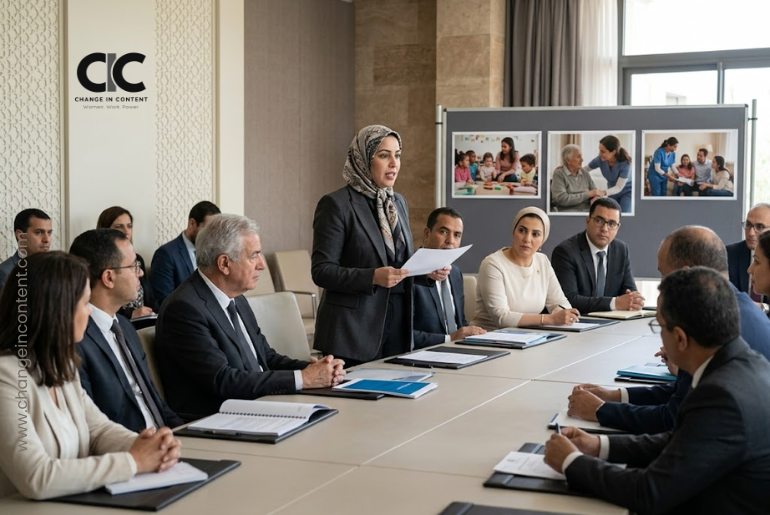
Morocco has adopted a national strategy for the care economy, becoming the first country in the Arab region and the second in Africa to introduce a coordinated national policy covering care work.
The strategy was launched in Rabat on 16 July 2026. The Moroccan government developed it with technical support from the International Labour Organisation and UN Women.
It covers care across different stages of life and aims to make care a part of Morocco’s broader social and economic development plans. The policy is expected to address childcare, support for older people and people with disabilities, paid care services and the unpaid work carried out inside households.
Why has Morocco introduced a care economy strategy?
Care work supports children, older people, people with disabilities and others who need daily assistance. It also allows millions of people to participate in education and paid employment.
Much of this work, however, remains unpaid or poorly paid. Women usually carry a larger share.
In Morocco, women and girls aged 15 and above spend about 20.8% of their time on unpaid domestic and care work. Men spend about 3% of their time on the same work, according to UN Women data.
The new strategy seeks to treat care as a public policy. It aims to treat that as an economic issue rather than leaving it almost entirely to individual households.
It is expected to support the recognition, reduction and redistribution of unpaid care work. The strategy will also seek to improve access to care services and promote better employment conditions in paid care occupations.
National strategy for the care economy in Morocco: What could the strategy change?
A national care policy can connect work that is often handled separately by health, education, employment, social protection and family welfare departments.
- For women, better care services could reduce the time pressure that prevents many from entering paid work, remaining employed or progressing in their careers.
- For care workers, the strategy could support more formal jobs, stronger labour protections, improved training and better access to social security.
- For families, it could broaden access to reliable childcare, eldercare, and disability support.
The policy also recognises care as a possible source of employment and economic growth. The International Labour Organisation has said it will continue supporting Morocco as the country implements the strategy in line with its framework for decent care work. UN Women will support efforts to strengthen care systems and expand decent paid employment in the sector.
Change in Content recently examined why care work must be treated as an economic investment, rather than as an informal responsibility absorbed mainly by women and families.
What happens next?
The adoption of a strategy is an important policy step. However, implementation will determine its value.
Morocco will need to translate the framework into funded programmes, accessible services, employment standards and clear responsibilities for national and local institutions.
We must also measure progress. Relevant indicators could include the availability and affordability of care services, women’s participation in paid work, the distribution of unpaid care within households, the number of formal care jobs created, and the working conditions associated with them.
The policy could serve as a useful reference for other countries in the Arab region. It is particularly beneficial for those with low female labour force participation, ageing populations, and a growing demand for childcare and long-term care.
The Change Ahead
Morocco’s decision gives care work a place in national economic and social planning.
That is an important shift. For a long time, the governments have treated care work as private family work. However, they must know that businesses, labour markets and public institutions depend on it every day.
The next test is whether the strategy changes who provides care, who pays for it and whether the people doing this essential work receive decent wages, protection and recognition.
Editorial Note and Sources
This news story is based on information released by the International Labour Organisation and supporting gender data published by UN Women. It summarises the announcement available as of 20 July 2026. We cannot yet assess the strategy’s results because implementation details, funding arrangements, and outcome data will emerge over time.
Sources
- International Labour Organisation: Morocco leads the way with its national strategy for the care economy
- UN Women Data Hub: Morocco country fact sheet