
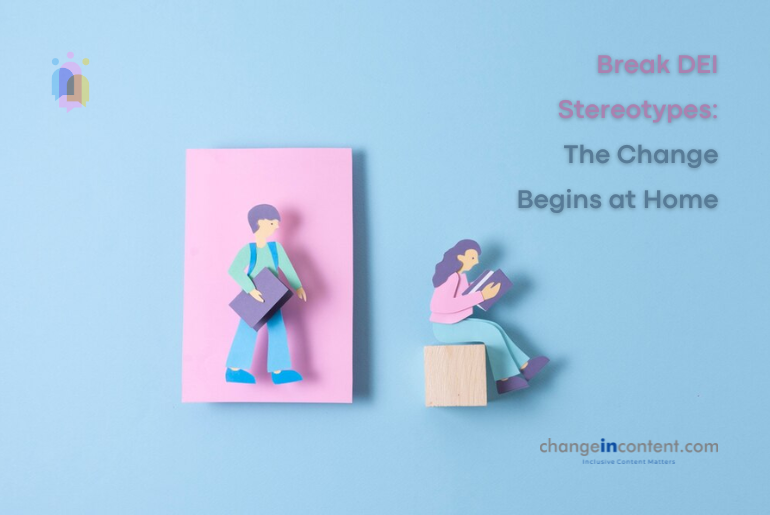
In recent years, the dialogue around Diversity, Equity, and Inclusion (DEI) has intensified, especially in corporate settings. However, while organisations are drafting policies and making efforts to ensure inclusivity, it is essential to realise that DEI is not just a corporate responsibility. It is a societal one, and for DEI to truly flourish, it must start at home. By breaking DEI stereotypes, we can plant the seeds of inclusivity in our everyday lives. We can help create a more equal and respectful society, both in and outside the workplace.
This article explores the importance of fostering DEI at home and how it can transform our workplaces. We also discuss the critical role organisations play in not only driving diversity but also in setting a societal example.
The roots of stereotyping: It all begins at home
It may surprise many to know that the roots of workplace inequality often lie not in the office but at home. How often do we, even unintentionally, reinforce harmful stereotypes when interacting with children, partners, or family members? As parents, we sometimes push gender-specific toys onto our children—dolls for girls and cars for boys—without thinking about the long-term impact this has on their understanding of gender roles.
This early conditioning lays the foundation for the kind of unconscious bias we later see in schools, social interactions, and, eventually, the workplace. It is time to shift the focus from reactive DEI policies at work to proactive DEI practices in our homes. By engaging in conversations about inclusive language and challenging outdated beliefs around gender roles, we can raise the next generation to naturally embrace diversity in all forms.
Breaking DEI stereotypes: The colour code example
Something as simple as the colours we associate with genders—pink for girls, blue for boys—may seem harmless. However, it actually reinforces limiting gender norms. By offering children a variety of colour choices and encouraging creative freedom, we dismantle these stereotypes. Moreover, we show that all preferences are valid, regardless of gender.
From homes to workplaces: DEI as a daily practice
Once we establish DEI practices at home, they naturally translate into the workplace. How can we expect to see more women in leadership positions or increased representation of the LGBTQIA+ community in boardrooms if we don’t first encourage respect and equity in our personal circles?
The home is a microcosm of larger societal structures. Unfortunately, it is often where biases first take root. For example, many women still face expectations to prioritise family responsibilities over their careers, even in progressive households. If DEI is to become second nature, these gendered expectations must be questioned and challenged.
Breaking DEI stereotypes: Addressing gender bias in the workplace
When we talk about breaking DEI stereotypes, workplace inclusivity cannot simply be a checklist. It must be a culture ingrained at every level of the organisation. That is where DEI initiatives must rise above mere tokenism.
Gender representation in the workplace shows a steep decline from junior levels to senior positions. Organisations must provide real support to women at all stages of their career journey, especially in male-dominated industries. Beyond simply extending maternity leave, organisations must adopt flexible working hours, offer career re-entry programs, and develop mentorship opportunities for women.
Policies to support gender equality: An example
More inclusive workplace policies, like job-sharing opportunities, paternity leave, and flexible schedules, create a supportive environment for women. These policies also make it easier for them to juggle responsibilities both at work and at home.
Intersectionality: DEI is not one-size-fits-all
Intersectionality plays a critical role in shaping the lived experiences of individuals within our workplaces. Women in marginalised communities face greater challenges than others due to their socio-economic backgrounds, sexual orientation, or caste. Therefore, a true DEI policy must consider these intersecting identities. Just as we fight for more women in the workforce, we must ensure that these women come from diverse communities.
Workplace policies should reflect an understanding of this intersectionality. Training on unconscious bias needs to go beyond gender and include factors like race, disability, and socio-economic status. Additionally, we must examine tech-driven hiring tools critically to ensure they don’t replicate societal biases by relying on historically skewed datasets.
Building DEI starts with the individual
DEI initiatives are not just for managers, HR professionals, or corporate boards. They are the responsibility of each individual. As members of society, we must first hold ourselves accountable. Are we willing to change the narrative at home? Are we fostering a culture of inclusivity in our day-to-day lives? By integrating DEI into our personal and professional practices, we break the harmful stereotypes that limit opportunities for others.
It means starting conversations at home about gender roles and sharing household responsibilities. It also means making an effort to expose children and family members to diverse perspectives. From there, these same values will flow naturally into our professional lives.
The role of organisations: Beyond policy-making
Organisations are a reflection of society, and the role they play in advancing DEI cannot be overstated. But they must go beyond simply creating policies to tick boxes. Real progress requires an overhaul of corporate cultures to foster long-term inclusion.
Organisations must also understand that breaking stereotypes is a continuous process. It involves constantly evaluating workplace cultures, engaging in difficult conversations, and celebrating the successes of marginalised employees. More importantly, they must leverage their positions of power to influence society at large.
What we advocate for at Changeincontent.com
At Changeincontent.com, we firmly believe that organisations are the face of society. While corporate policies for DEI are essential, the real change happens when they are lived, day in and day out, at every level. By pushing for inclusive hiring practices, equal pay, and work environments where everyone feels seen and heard, we are advocating for a world where DEI is not just an initiative—it is a way of life.
We encourage organisations to look beyond token diversity hires and consider how they can contribute to breaking stereotypes within their wider communities. At the heart of all our efforts is the belief that real change starts with the individuals who drive these movements forward, whether at home or in the boardroom.
Final thoughts on breaking DEI stereotypes
Real inclusion doesn’t begin or end at work—it begins at home, in the classrooms, and in the way we talk to our children, partners, and friends. It is in the way we challenge gender roles, defy societal norms and foster an environment where people of all identities feel safe and valued.
By breaking DEI stereotypes, we are committing to a lifelong journey of learning, unlearning, and advocating for a world where equality is the norm. Let’s make DEI not just a corporate priority but a personal one, where every home, every workplace, and every conversation pushes us closer to a world where everyone thrives.
Disclaimer: The views expressed in this article are based on the writer’s insights, supported by data and resources available both online and offline, as applicable. Changeincontent.com is committed to promoting inclusivity across all forms of content, which we define broadly to include media, policies, law, and history—encompassing all elements that influence the lives of women and gender-queer individuals. Our goal is to promote understanding and advocate for comprehensive inclusivity.
