The Quick Read
- The Standard Chartered Second Women in Tech Accelerator in Egypt will support 12 women-led technology startups through business development support, tailored mentorship, and investment readiness training.
- Three startups will share US$35,000 in equity-free grant funding at the end of the programme.
- Eligible companies must be operating in Egypt, have at least one woman co-founder, have been operating for at least a year with a minimum viable product, and demonstrate scalability and sustainable impact.
- Standard Chartered Foundation’s wider Women in Tech programme operates across multiple markets and combines funding, mentorship and networks to support women founders. In 2025, programme participants across markets collectively generated an additional US$2.7 million in revenue and created 433 jobs.
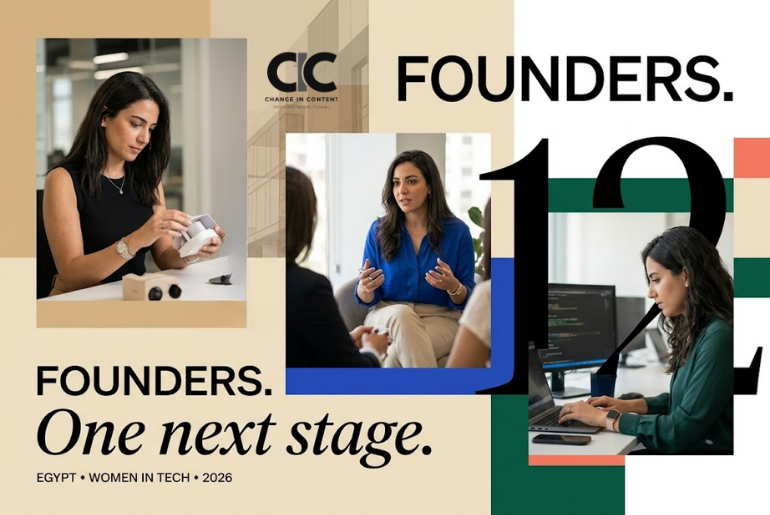
Egypt’s Women in Tech Accelerator returns for a second round
12 women-led technology businesses in Egypt are set to enter a new accelerator designed to help them move beyond early traction and prepare for scale.
Standard Chartered Foundation has launched the Standard Chartered Second Women in Tech Accelerator, in partnership with Cairo-based entrepreneurship organisation Entlaq and Village Capital. The 2026 cohort will receive investment-readiness training, business development support, mentorship, and access to entrepreneurial networks. Three participating startups will share US$35,000 in equity-free grants at the end of the programme.
The programme is aimed at early-stage technology-enabled businesses that already have some market validation rather than ideas still at concept stage.
Standard Chartered’s official eligibility criteria require participating startups to have been operational for at least one year, to possess a minimum viable product, and to include at least one woman co-founder. Businesses must also be registered and operating in Egypt and demonstrate that their technology has environmental, social or economic impact.
That makes the accelerator less about teaching somebody how to start a company and more about helping an existing one become investable.
The funding matters, but so does what sits around it
Women-led startups continue to face barriers around finance, networks and scaling support in Egypt.
Entlaq’s own Women in Entrepreneurship Report identifies limited access to finance, insufficient support infrastructure and gaps in digital capability among the persistent challenges facing women entrepreneurs, particularly in high-growth fields such as technology and finance.
The accelerator therefore combines capital with several things founders often need before they can raise more of it: stronger business models, investment readiness, governance support, mentorship and access to wider networks.
Standard Chartered says participants can access its global network alongside tailored workshops covering areas from business strategy to governance.
That model reflects the wider Women in Tech programme run by Standard Chartered Foundation. Across participating markets in 2025, founders in the programme collectively added about US$2.7 million in revenue, created 433 jobs and attracted nearly US$130,000 in external financing.
The Foundation says its broader work has helped enable more than 100,000 jobs globally, with over half going to women.
Why equity-free funding is worth noticing
US$35,000 is not a huge venture round. For an early-stage company, however, the structure matters. Because the grants are equity-free, the winning founders do not have to surrender ownership in exchange for the capital.
That can be particularly useful at a stage where businesses still have relatively low valuations and founders may otherwise have to give up disproportionate equity to secure modest amounts of funding.
Change in Content has previously examined how women founders in deep tech often receive smaller funding rounds and face greater barriers to follow-on capital. Programmes that combine non-dilutive capital with stronger investor readiness can therefore help founders reach later funding conversations from a better position.
The bigger test will come after the accelerator ends.
- How many of the 12 businesses grow revenue?
- How many create jobs?
- How many raise follow-on capital?
- And how many are still scaling several years later?
Those outcomes will say more about the programme’s effectiveness than cohort size alone.
The Change: Back the founder beyond the first cheque
Women founders do not need another ecosystem that applauds entrepreneurship while leaving the hardest part of building a company untouched.
They need customers. Networks. Capital. Business capability. And access to the people who can help a viable startup become a larger one.
The second Women in Tech Accelerator in Egypt is relatively small, with 12 participating businesses and three grant recipients. That can still be useful.
If the programme helps those founders become more investment-ready, preserve ownership and build businesses strong enough to attract the next round of capital, the impact will extend beyond the US$35,000 being awarded today.
For women entrepreneurs, access to the room can help. The opportunity becomes much more valuable when capital is waiting inside it.
Editorial Note
This Inclusive Companies news report is based on official information published by Standard Chartered and Standard Chartered Foundation, supported by programme information from Entlaq. The US$35,000 figure refers to the combined equity-free grant pool to be shared by three winners, not funding for each participating startup. Change in Content has not independently assessed the businesses selected for the cohort or the programme’s future outcomes.
Sources
- Standard Chartered Egypt — Women in Tech: Official programme eligibility, benefits and funding information.
- Standard Chartered Foundation — Women in Tech impact: Programme-wide information on participating markets, founder support and outcomes.
- Standard Chartered Foundation — About the Foundation: Official information on the Foundation’s entrepreneurship and employability work.
- Entlaq — Women in Entrepreneurship Report 2025: Research on barriers facing women entrepreneurs in Egypt.