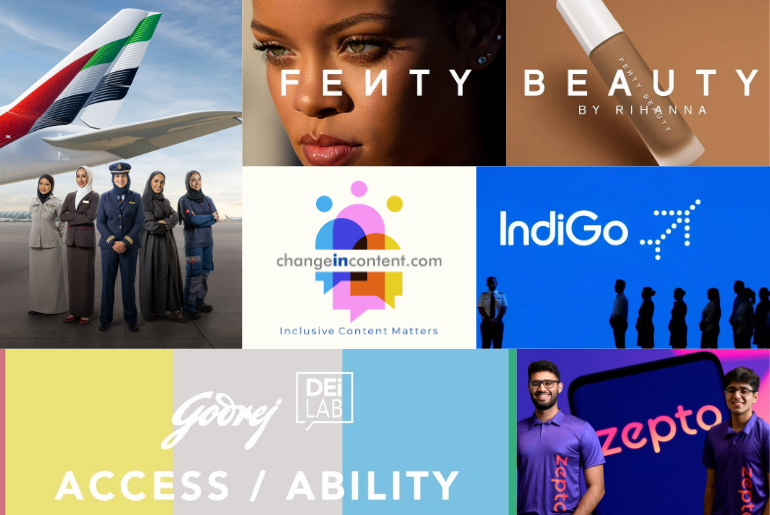
In 2024, several well-known global brands pulled back their DEI initiatives for various reasons, with external resistance being the main factor. However, when we compare 2020 to 2024, it is clear that inclusive companies have only grown stronger. Younger employees, especially, have made it clear that they prioritise inclusivity in the workplace. In fact, 86% of working women are now seeking employers with apparent diversity and inclusion strategies, compared to 74% of men. Companies that get inclusivity right today will be the ones reaping the benefits, not just in 2025 but probably for decades to come. Let us look at the inclusive companies of 2024 and discuss the key lessons to learn.
Inclusive companies of 2024: Lessons to learn from the best
Creating change requires more than just words or promises. It demands meaningful action that aligns with the values and goals of the organisation. In 2024, some companies didn’t just talk about inclusion. They lived it. From empowering women to launching inclusive and diverse products, these companies stood out for their impact.
Whether you’re sending an email to future hires, creating an inclusive campaign, or prioritising liaisons with vendors from diverse backgrounds, inclusivity should be an overall agenda. Here are some companies that have made an impact through their commitment to inclusivity:
Inclusion at Godrej
Godrej has always been committed to gender equality and women’s empowerment, staying true to the UN’s ‘Invest in Women’ theme. As a multinational corporation, it has been building a workplace where women feel valued and respected, not just through policies but also through its culture.
Programs like Careers 2.0 help women re-enter the workforce after career breaks, including six months of paid maternity leave, fertility treatment coverage, and flexible work options. The company offers training, a complaints hotline, and support groups for women and the LGBTQ+ community. It makes sure that all employees feel heard and respected, regardless of their background.
Godrej is dedicated to creating a supportive ecosystem that empowers women and helps them succeed in agriculture and real estate. For instance, Godrej Properties launched the Collective of Real Estate Women (CREW) to support women in the real estate and construction sectors. In agriculture, Godrej Agrovet hosted a summit to improve opportunities for women in agribusinesses, and the company plans to support 100,000 women through partnerships.
IndiGo’s women pilot milestone
IndiGo, India’s largest passenger carrier, leads globally in women’s representation. It employs more women pilots than any other airline. On India’s 77th Independence Day, IndiGo welcomed 77 new women pilots, bringing the total number of women pilots to over 800. This is 14% of its pilot workforce, surpassing the global average of 7-9%.
IndiGo aims to achieve 25% women’s representation in senior roles and 50% overall. The airline employs 36,860 women and is increasing the number of employees with disabilities. There are plans to recruit over 1,000 women pilots in the coming year, with targeted campaigns, training programs, mentorship, and supportive workplace policies like maternity leave and flexible contracts.
Internationally as well, the aviation and travel industries have seen a significant shift. More women are taking on leadership roles and new opportunities. Here is one story that inspired us.
Women in leadership at Emirates
On August 28, in honour of Emirati Women’s Day, the Emirates Group celebrated the contributions of Emirati women to the aviation and travel industries. Women make up 38% of its Emirati employees, and the company is committed to creating a diverse and inclusive work environment. In the last financial year, the Group saw the largest intake of Emirati women in its history.
Over the past year, the number of Emirati women in leadership roles has increased by 20%, totalling over 200. In March 2024, the Group promoted five Emirati women to senior executive positions. The Emirates Group prioritises skills development for its employees, investing in mentorship and training programs. In fact, over 70 Emirati women completed leadership programs in the last year.
Zepto campaign: Celebrating growth and diversity
As Zepto continues to grow, it remains focused on providing opportunities for every employee, regardless of gender or ability. To celebrate its third anniversary, the company launched a campaign highlighting its journey toward inclusivity, featuring inspiring stories of women and differently-abled employees. Zepto has worked towards a gender-balanced workforce, with over 1,400 women in warehouse teams and more than 50% of day shift workers being women.
One highlight of the campaign is Vishwanath’s journey. He began as a delivery partner at Zepto Café in Bellandur, Bangalore, and, despite the challenges of his disability, rose to the position of team leader. Vishwanath is one of over 100 differently-abled employees now part of Zepto’s workforce.
Inclusion starts with visibility, Not just numbers
We often come across new data and reports showing the number of companies that have hired differently-abled employees and the locations where they have done so. However, most of the time, these employees remain invisible in company campaigns, posters, or promotional materials. The focus often stays on the numbers rather than the people themselves.
Vishwanath’s inclusion in Zepto’s campaign shows that inclusivity isn’t just about providing jobs. It’s about recognising and celebrating the achievements of differently-abled employees, giving them the same visibility and opportunities as everyone else. The takeaway is that every employee, regardless of ability or background, should be visible at every level of a company’s culture and communication.
When people in situations similar to Vishwanath see themselves represented in the campaign, they are given role models to admire and follow. This kind of representation has the power to inspire and create lasting change, and this is when the real impact happens.
Inclusive innovation: Making products for everyone
Inclusion goes beyond ensuring everyone has a seat at the table. It means addressing all forms of isolation, whether based on race, gender, or even access to products. Here is one story that highlights the importance of making products that everyone can use. This story shows that diversity comes in many forms.
Fenty Beauty: Paving the way for inclusive beauty
Fenty Beauty’s launch of 50 inclusive foundation shades changed the beauty industry by making sure everyone, regardless of their skin tone, felt represented. At that time, no brand provided products that catered to the full spectrum of skin tones, from the lightest to the darkest. Most beauty brands had limited shade ranges. They left people with darker skin tones struggling to find products that matched their complexion. This gap in the market meant that many individuals felt excluded, as no option truly suited their needs. Fenty Beauty changed this by offering a wide range of shades. Their aim was to make beauty products more inclusive for everyone.
Historically, people with darker skin tones have been marginalised socially, culturally, economically, and sometimes even in terms of gender. DEI (Diversity, Equity, and Inclusion) should address this isolation. It should ensure that everyone feels part of a larger, inclusive community. When people feel genuinely included, they are able to show up authentically, whether at work or in society, without the burden of having to conform to a narrow standard.
By launching these 50 shades, Fenty Beauty not only increased the market’s choices but also sent a message to other beauty brands to stop adhering to a narrow idea of beauty. This approach is famously dubbed the “Fenty Effect.” It shows that inclusivity should be the norm, not the exception.
In 2020, Rihanna also launched Fenty Skin. It is a skincare line that continued her focus on inclusivity. Fenty Skin broke away from traditional beauty norms and made skincare more accessible to everyone. It challenged the idea that beauty products should be only marketed to women.
2024’s lessons for 2025: Building inclusivity at every level
In 2024, several companies made real progress in creating more inclusive workplaces. These inclusive companies of 2024 have set an example for what we can expect in 2025. Whether it is Fenty Beauty or IndiGo, what stands out is the widespread effect of their inclusivity efforts across various aspects of their business. These aspects comprise every level of the company, from leadership roles to day-to-day operations. They targeted a wide range of people, including women, differently-abled workers, and those from marginalised communities.
The main takeaway is that inclusivity must be present at every stage of your organisation. If it is not built into every level, you are missing the mark. If it is not visible at every layer, it is probably not happening.
At Changeincontent.com, we advocate for 2025, when more companies follow in these footsteps, prioritising inclusivity not just in policies but in action.
Inclusive companies of 2024: Learning from the changemakers
The efforts of these companies in 2024 show that when businesses focus on providing equal opportunities for everyone, it creates long-lasting change, regardless of gender, ability, or background. As we look ahead to 2025, we want to see more companies step up with inclusive policies and make a bigger impact on their workforce.
Disclaimer: The views expressed in this article are based on the writer’s insights, supported by data and resources available both online and offline, as applicable. Changeincontent.com is committed to promoting inclusivity across all forms of content, which we define broadly to include media, policies, law, and history—encompassing all elements that influence the lives of women and gender-queer individuals. Our goal is to promote understanding and advocate for comprehensive inclusivity.