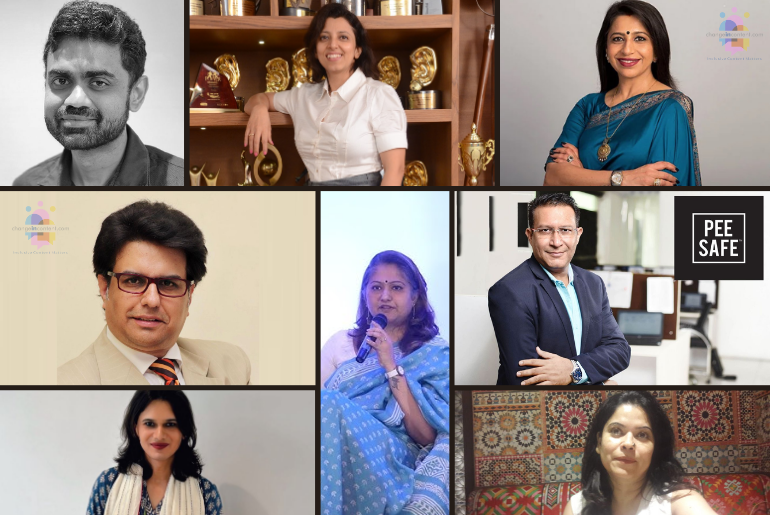
Diversity and inclusion are critical concepts in today’s workplace. However, we only realise their actual value when they go beyond surface-level representation. An inclusive culture goes beyond simply acknowledging diversity. It ensures that every employee feels a true sense of belonging. That is where the inclusive leaders of 2024 have many lessons to teach us. They are vocal advocates for diversity and inclusion. These DEI leaders are ensuring that policies, practices, and everyday interactions reflect the values of equity and respect.
The need for inclusive leadership
The Leaderspeak DEI Conclave, attended by changeincontent.com, focused on the need for more vocal leaders to promote diversity, equity, and inclusion (DEI). Our takeaway from the summit is that Inclusive leaders engage with the diversity around them, build trust, and actively consider others’ perspectives. Their approach significantly improves employees’ sense of belonging and psychological safety, with a notable impact on team performance.
Inclusive leaders of 2024: Aditya Sareen
Aditya Sareen, Head of Corporate & Business HR at Tata Power, said at the 8th Leaderspeak Conclave, “Creating a truly inclusive workplace means being proactive, not reactive.”
Aditya Sareen’s emphasis on being proactive about inclusion is mirrored in Tata Motors’ efforts, as shared by Amrita Ganguly, Chief Diversity Officer. She spoke about the company’s pioneering move to launch an all-women assembly line, the first of its kind in the industry. Amrita highlighted how Tata Motors is breaking stereotypes in manufacturing and offering women equal opportunities to excel in roles that have traditionally been male-dominated.
Research also shows that inclusive leadership leads to a 17% increase in team performance, a 20% improvement in decision-making quality, and a 29% boost in collaboration. Additionally, these DEI leaders can reduce employee attrition risk by 76%.
So, what makes an inclusive leader? As we look ahead to 2025, we can take inspiration from the inclusive leaders of 2024 who are already leading the way.
Inclusive leaders of 2024: Vision for a more inclusive tomorrow
Changeincontent.com has spoken with multiple leaders over the past few months. Some of their insights genuinely resonate with us. As we step into 2025, we carry forward the legacy of their vision. They remind us that successful leadership is about more than just performance. It is about recognising that employees are not just workers but individuals with diverse needs, responsibilities, and aspirations outside of the office.
‘Learn from your mistakes, and do not be afraid of admitting when you know little about something.’
Vikas Bagaria, Founder & CEO, Pee Safe
Under Vikas Bagaria’s leadership, Pee Safe has transformed hygiene and inclusivity in personal care. What started as a solution to his wife’s UTI challenges, the brand now reaches over 100 Indian cities and 19 countries. Pee Safe addresses deeply stigmatised issues like menstrual and toilet hygiene. They are improving lives through initiatives such as #HaqSePeriod, which has educated over 200,000 women and distributed millions of menstrual products. The brand uses gender-neutral language and product designs for diverse needs and ensures inclusivity within its workspace. Vikas Bagaria’s vision has turned a personal journey into a mission that combines commercial success with social transformation. Pee Safe is making hygiene a basic right for all.
For more on Vikas Bagaria’s thoughts and leadership, read here.
‘To truly advance, we need to move beyond tokenism and focus on nurturing talent based on skills and capabilities.’
Preeti Nihalani, Chief Operating Officer, Entertainment Network India Ltd. (Home to Popular Brands, Mirchi and Gaana)
With decades of experience in the media industry, Preeti Nihalani advocates focusing on skills and potential instead of mindlessly following outdated stereotypes. She stresses the importance of inclusive hiring practices that prioritise skills, abilities, and merit over gender-based assumptions. Preeti also advises young women professionals to trust their instincts, keep pushing boundaries and follow their passions without letting anything hold them back.
For more on Preeti Nihalani’s leadership and views, read here.
‘The power of small gestures is an integral part of overall empathetic leadership. Every little gesture counts, every little comment you make, every conversation you have, or anything small you do personally goes a long way in anyone’s life and a professional organisation.’
Megha Tata, Strategic Advisor, Independent Director
Throughout her 30+ years in the media industry, Megha Tata has been a vocal advocate for gender inclusivity, particularly in leadership roles. As president of the International Advertising Association, she played a key role in launching the “IAA Voice of Change” initiative. The program focused on addressing gender representation in media content, particularly advertising. Megha stresses the importance of HR working directly with business leaders to promote inclusion, highlighting that it should be a top-down approach, not just an HR responsibility.
For more on Megha Tata’s leadership and views, read here.
‘A person is expected to work well beyond their working hours to be perceived as a good employee. We should not glamourise working late and hustling.’
Kosal Malladi, Vice President, Madison World
Kosal Malladi advocates for a balanced work-life culture, rejecting the glorification of “hustle” and promoting mental well-being. His focus on psychological safety creates an environment where employees feel respected and encouraged to give feedback. Under his leadership, the company has made notable achievements in gender inclusivity. The company improved the male-to-female ratio from 80:20 to 60:40 in just a few years. Kosal also supports generational diversity, appreciating the contributions of both younger and older employees. He believes corporations, especially in media, must use their influence to challenge stereotypes and promote inclusivity.
For more on Kosal Malladi’s leadership and views, read here.
‘Using gender-neutral language is a powerful way to promote workplace inclusivity, as it ensures that all individuals feel respected and valued regardless of their gender identity.’
Maira Q, DEI Lead at Godrej Capital
Maira Q is a passionate advocate for diversity, equity, and inclusion (DEI). She focuses on creating inclusive workplaces for cis women, transgender individuals, and people with disabilities. She believes in the power of inclusive language to build a sense of belonging and reduce biases, ensuring everyone feels valued.
As a recognised thought leader and LinkedIn’s top voice, Maira stresses that companies must provide training to ensure all employees understand the importance of inclusive language and how to apply it in daily interactions. Maira believes in a work culture of empathy and education, where employees learn from mistakes without fear of retribution.
For more on Maira Q’s leadership and views, read here.
Inclusive leaders of 2024: The lessons for 2025
As we go from 2024 to 2025, we can draw several key lessons from the inclusive leaders who have set a strong example this year. The key takeaway is that inclusive leadership is not a one-time initiative or a box to check. These leaders are creating spaces where diversity is celebrated and inclusivity is ingrained in everyday actions and decisions. It is a continuous effort that could change from one industry to another.
At Changeincontent.com, we believe that the future of work must place greater emphasis on work-life balance, gender-neutral practices, and mental well-being. Led by Arunima Bhattacharya, a promising advocate for inclusion, we strive to promote stories of inclusion. Moreover, we work towards making workplaces more inclusive and DEI, a core concept of workplaces globally.
Disclaimer: The views expressed in this article are based on the writer’s insights, supported by data and resources available both online and offline, as applicable. Changeincontent.com is committed to promoting inclusivity across all forms of content, which we define broadly to include media, policies, law, and history—encompassing all elements that influence the lives of women and gender-queer individuals. Our goal is to promote understanding and advocate for comprehensive inclusivity.